


jun's kitchen
Jun’s Kitchen Explores the Artistry of Midori Seika

Eunike

Posted on April 03, 2025
Share:

The intricate process and craftsmanship behind each piece often go unnoticed when it comes to traditional Japanese sweets or wagashi. Recently, renowned YouTuber Jun’s Kitchen had the rare opportunity to step into this world and witness firsthand the artistry behind these delicacies.
A Journey into Japanese Confectionery: Exploring the Craftsmanship of Midori Seika
His journey led him to Midori Seika in Osaka, Japan, a confectionery that has been perfecting its craft for generations. Through this experience, Jun’s Kitchen uncovered the dedication and precision required to create these exquisite sweets—a tradition Sakuraco helps share with the world. You can watch the full video of Jun’s Kitchen visit to Midori Seika here.
The Allure of Wagashi
Japanese confectionery is more than just a treat; it reflects the country’s deep-rooted appreciation for seasonality, aesthetics, and tradition. Each sweet tells a story through its shape, ingredients, or delicate balance of textures. This philosophy was vividly brought to life during Jun’s Kitchen visit to Midori Seika in Osaka.
Unlike Western sweets, wagashi are often created with red bean paste, glutinous rice flour, and agar. Their beauty lies in their simplicity and the skill required to transform these base ingredients into edible works of art. Midori Seika exemplifies this approach, ensuring that each confection embodies the essence of Japanese culture.

Arrival at Midori Seika
As Jun’s Kitchen arrived at Midori Seika, he was greeted by freshly crafted confections’ warm, inviting aroma. The exterior of the building was modest, yet inside lay a world where traditional methods and modern innovation blended seamlessly. Guided by experienced artisans, he embarked on a tour that offered an up-close look at the detailed process behind each wagashi creation.
Upon stepping inside, he immediately noticed the precision and care that went into every aspect of the facility. Every surface was meticulously clean, and the workers moved with synchronized efficiency. The sight of wagashi being made in real-time was both mesmerizing and humbling—an experience that only deepened his respect for Japanese confectionery craftsmanship.

The Art of Wagashi Making
One of the highlights of Jun’s Kitchen visit was the chance to try his hand at making half-dried sweets, a delicate confection with a unique semi-soft texture. Under the guidance of Mr. Daisuke, a skilled craftsman at Midori Seika, Jun’s Kitchen quickly realized that what seemed like a simple process required immense skill and patience.
Japanese confectionery-making is highly detail-oriented, with even the smallest misstep affecting the final product. Every step required a careful touch, from preparing the dough to shaping each sweet with precise molds. The artisans made it look effortless, but as Jun’s Kitchen tried replicating their movements, he struggled to get the textures right.

The Challenges of Wagashi Crafting
From handling the delicate dough to cutting precise shapes, every step of the process demanded unwavering attention. One of the biggest challenges was ensuring that the dough didn’t stick to his hands—requiring just the right moisture and pressure level. Even something as seemingly simple as using a mold took skill, as applying too much force would ruin the design, while too little pressure wouldn’t create a clean shape.
Another test of patience was stamping intricate patterns onto the sweets. Wagashi often feature delicate imprints or designs, and achieving this level of detail requires just the right amount of pressure. If pressed too hard, the design would blur; if pressed too lightly, it wouldn’t be visible. Jun’s Kitchen found this particularly difficult, making multiple attempts before finally creating a successful stamp.

Noteworthy Confections from Midori Seika
During his visit, Jun’s Kitchen had the chance to sample some of Midori Seika’s finest sweets, each offering a unique taste and texture:
- Shimi Choco – A delicately sweet confection with a satisfying crunch, perfect for pairing with tea. The balance of sweetness and texture made it one of the standout treats from the experience.
- Ichigo Chocolate—This treat features whole strawberries coated in smooth chocolate. It offers a perfect balance of tart and sweet. The strawberries’ natural acidity complements the chocolate’s creaminess beautifully.
- Half-Dried Sweets – These confections stood out for their soft, juicy texture and intricate designs, making them visually appealing and delicious. The process of making them only enhanced Jun’s Kitchen‘s appreciation for the craftsmanship involved.

Sharing the Experience with Sakuraco
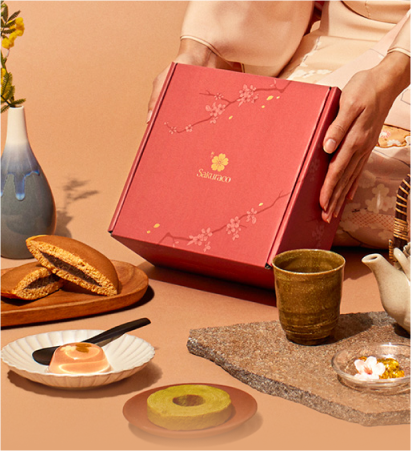
For those eager to experience authentic Japanese confections, Sakuraco provides a way to enjoy these traditional sweets from home. Through collaborations with artisans like Midori Seika, each Sakuraco box offers a curated selection of 20 Japanese snacks, tea, and cultural items, carefully packaged with detailed explanations about their origins and significance.
Sakuraco’s commitment to authenticity ensures that customers receive only the highest quality confections. Including a cultural booklet further enhances the experience, allowing subscribers to learn about the history and significance of each treat. By partnering with artisans who uphold Japan’s rich confectionery traditions, Sakuraco bridges the gap between local craftsmanship and global appreciation.
Adding to the authenticity and sophistication, Sakuraco’s packaging includes a booklet detailing each item’s ingredients, potential allergens, and cultural significance. This thoughtful touch enhances the eating experience and educates the consumer about the cultural context behind each confection. Jun’s Kitchen noted how this level of detail made the experience even more special, allowing him to fully understand the background of each sweet before tasting it.

Conclusion
Jun’s Kitchen’s journey into the heart of Japanese confectionery showcased the dedication and craftsmanship behind every wagashi. Through his visit to Midori Seika, he gained a deeper appreciation for the artistry involved in making these sweets—an experience that Sakuraco makes accessible to Japanese snack lovers around the world.

Whether you’re a longtime fan of Japanese sweets or new to the world of wagashi, Sakuraco offers a delightful way to experience the beauty of Japan’s confectionery culture from home. With every box, subscribers taste the tradition, precision, and passion that artisans like those at Midori Seika pour into their craft. If Jun’s Kitchen’s visit has inspired you to explore these flavors, now is the perfect time to try Sakuraco and enjoy the wonders of Japanese confectionery.
Discover authentic flavors with Sakuraco
Get Sakuraco 
Discover authentic flavors with Sakuraco
Get Sakuraco
Related Articles

Kyoto Confectionery Museum: Everything You Need to Know
Although Kyoto is famous for temples, gardens, and historic districts, the city is also known for its centuries-old confectionery culture. The Kyoto Confectionery Museum shows how sweets became closely connected to tea ceremonies, seasonal celebrations, and Japanese aesthetics.

Hiroshima Tsukemen: A Spicy Take on Japanese Dipping Noodles
Tsukemen is one of Japan’s best-known noodle dishes, but Hiroshima offers its own distinctive version that differs sharply from the richer styles found in Tokyo and other parts of the country.

Sake from Takehara City: A History of Brewing
Takehara City in Hiroshima Prefecture is one of Japan’s historic sake towns. Located near the Seto Inland Sea, the city became wealthy during the Edo period through trade and sake brewing. Today, Takehara is still known for its traditional streets, old breweries, and connection to Hiroshima’s sake culture.

Aaron and Claire Soy-Glazed Pork Belly Recipe: A Guide!
Aaron and Claire share an easy soy-glazed pork belly rice bowl recipe that combines tender pork, a rich savory glaze, and simple ingredients for a comforting Japanese-inspired dinner at home.