


cherry blossoms, hanami, sakura, spring
Spring Awakening in Japan: Food, Fun & Festivals

Christian Closs

Posted on February 28, 2022
Share:

Starting with the appearance of Japan’s ume plum blossoms in February, the country slowly comes out of hibernation. Seasonal foods and sweets mark the transition into spring step by step, until the cherry blossoms kick off public life.
As the temperatures begin to rise again ever so slowly, so do Japan’s spirits. The tail end of winter is overcome by staying warm gathered for food and tea, before hanami celebrations draw everyone back outside to enjoy all the delicious things spring has to offer. Read on to get an overview of what happens.
Japanese Hot Pot

When it comes to warming up, few dishes can compete with hot pot. A Japanese winter favorite, nabe is the perfect shared meal for huddling together. With a history as old as earthenware pots, there is no shortage of recipes and regional varieties. Aspiring sumo wrestlers are catered to with protein-rich hot pots, while thrill-seekers can try poisonous pufferfish. Regardless of your choice, cooking hot pot at your own table with loved ones is the perfect way to make it through the rest of winter.
Sakura History

The arrival of Japan’s cherry blossom season is the indicator for the arrival of another season: spring. While cherry blossom viewing is now a ritual for almost every single Japanese person, this wasn’t always the case. The practice of hanami, or flower viewing, was not always accessible for everyone. Originally practiced only by nobility, the star of the show was also initially a different blossom altogether. Luckily, things have changed and everyone is able to enjoy food and drink under the cherries nowadays.
Learn more about hanami’s past and present in our article: A Brief History of Hanami.
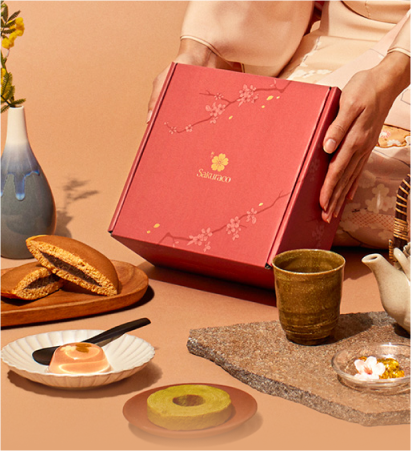
Curious to try unique Japanese flavors such as sakura yourself? Check out Sakuraco. Sakuraco sends authentic Japanese snacks, tea, and sweets sourced from local makers all across Japan straight to your door!

Crunchy Spring Vegetables

Japanese people love seasonal rituals, and eating seasonal food to embrace a new season is a necessity for many. While spring brings a lot of different vegetables back to the table, one of them has a particularly strong association with the season: Bamboo. Not the fully grown stalks often used as material however, but shoots that break through the ground from March. Crunchy, earthy, and extremely healthy, these shoots must be eaten quickly before they turn bitter.
Find out how bamboo shoots are processed and more in our article: Bamboo Shoots: Japan’s Favorite Spring Vegetable.
Spring Sweets

Another delicious food that mirrors Japan’s seasons are traditional Japanese sweets. From sweets made for occasions like festivals, to highly seasonal herb treats sold at roadside stalls, anyone with a sweet tooth will find plenty of options. Auspicious symbols and spring motifs such as blossoms or animals, feature in high end sweets made for tea ceremonies. Colors are bright and vivid, with cherry blossom pink particularly popular.
Find out more about traditional Japanese spring treats in our article: Five Japanese Sweets to Enjoy in Spring
Japanese Festivals

Along with spring, Japanese festivals return. Offering an unmatched look at traditional culture, food and customs, these events are a delight for locals and visitors alike. With thousands of regional festivals celebrated across Japan, there is a lot to see. There are simple sakura season festivals with food and drink stalls, street dances, and traditional float parades. Some of these festivals draw audiences in the millions, making careful advance planning a necessity.
Buckwheat Noodles

Noodles are a staple of Japanese cuisine and a national favorite for a quick meal. Ramen certainly seems to win the popularity game overseas, but there are plenty of other types of noodles available in Japan. One particularly famous kind are soba noodles. Made from buckwheat, they are eaten all year round, served both hot or cold and with or without soup. Eating cold noodles on a hot summer day might sound odd at first, but works surprisingly well and offers just a glimpse of the diversity on offer.
Discover more about the history and different types of soba in our article: What Is Soba? A Guide To Japanese Buckwheat Noodles.
Discover authentic flavors with Sakuraco
Get Sakuraco 
Discover authentic flavors with Sakuraco
Get Sakuraco
Related Articles

Forest Bathing in Japan: The Ultimate Guide
Japan is known for cultural traditions that promote balance, mindfulness, and a connection with nature. One of the most distinctive is forest bathing, or shinrin-yoku. Despite its name, forest bathing does not involve water.

Kawadoko Dining in Japan: A Unique Riverfront Summer Tradition
Japan is home to many seasonal traditions that help people appreciate the changing environment. One of the most distinctive is kawadoko dining, an outdoor dining style that allows guests to enjoy meals beside or above flowing rivers during the warmer months. Known for its cool atmosphere and scenic surroundings, this riverfront dining tradition has become one of Japan’s most memorable summer experiences.

Tomioka Silk Mill: The Factory That Helped Modernize Japan
The Tomioka Silk Mill is one of Japan’s most important industrial heritage sites. Located in Tomioka City in Gunma Prefecture, the mill played a major role in Japan’s modernization during the late 19th century.

Hiroshima: History, Food, and Scenic Destinations
Hiroshima is one of Japan’s most historically important and culturally rich regions. Located along the Seto Inland Sea in western Japan, Hiroshima Prefecture is known for its history, food, and coastal scenery.